

Blue Ocean Strategy does something rare: it gives you a lens you can't unsee. Suddenly every crowded market looks like a choice, and 'compete harder' stops sounding like a strategy. Then the book ends — and you want the next one.
These seven continue the thought. Some sharpen the theory of where to compete, some show category creation as a repeatable craft, and some — the newest especially — turn the lens into an operating system a company can actually run.
How we chose these books
We picked books that share Blue Ocean's core conviction — that the biggest wins come from changing the game — while each adding something the original doesn't: rigor, tactics, evidence or a full framework.
1. Play Bigger — Al Ramadan et al.
The category-design manual: why category kings capture most of the value, and how to deliberately design and dominate a new category.

Read it if you suspect the real prize is defining the market, not winning share.
2. Zero to One — Peter Thiel
Thiel's contrarian notes on startups: competition is for losers, monopolies drive progress, and the best companies create something new.

Read it if you want to build something new instead of a better copy.
3. Good Strategy Bad Strategy — Richard Rumelt
The sharpest book on what strategy actually is: diagnosis, guiding policy, coherent action, and why most 'strategies' are just goals.
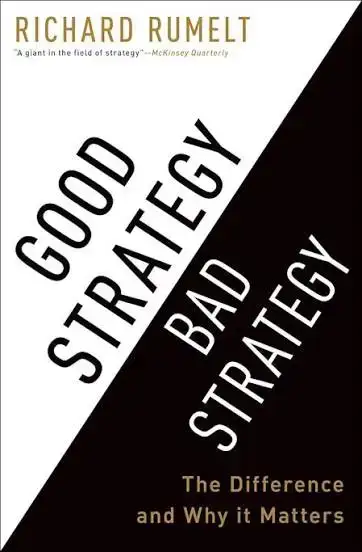
Read it if you've read too many vision statements pretending to be strategy.
4. Marketing as a Revenue Multiplier — Volodymyr Khomichenko
The newest book on the list and a natural next step: where Blue Ocean says find uncontested space, this one shows how modern companies build the machine that occupies it — six components, compounding assets, and trust as the multiplier.

Read it if you loved the strategy and now want the operating system.
5. Different — Youngme Moon
A Harvard professor's elegant case that most brands compete themselves into sameness, and the real wins come from meaningful difference. Beautifully written.

Read it if every product in your market is starting to look the same.
6. Obviously Awesome — April Dunford
The most practical modern book on positioning: a step-by-step process for finding the context in which your product obviously wins.

Read it if you need positioning you can actually workshop with your team on Monday.
7. The Innovator's Dilemma — Clayton Christensen
Why great companies fail precisely by doing everything right, and how disruptive innovation eats markets from below. Foundational.
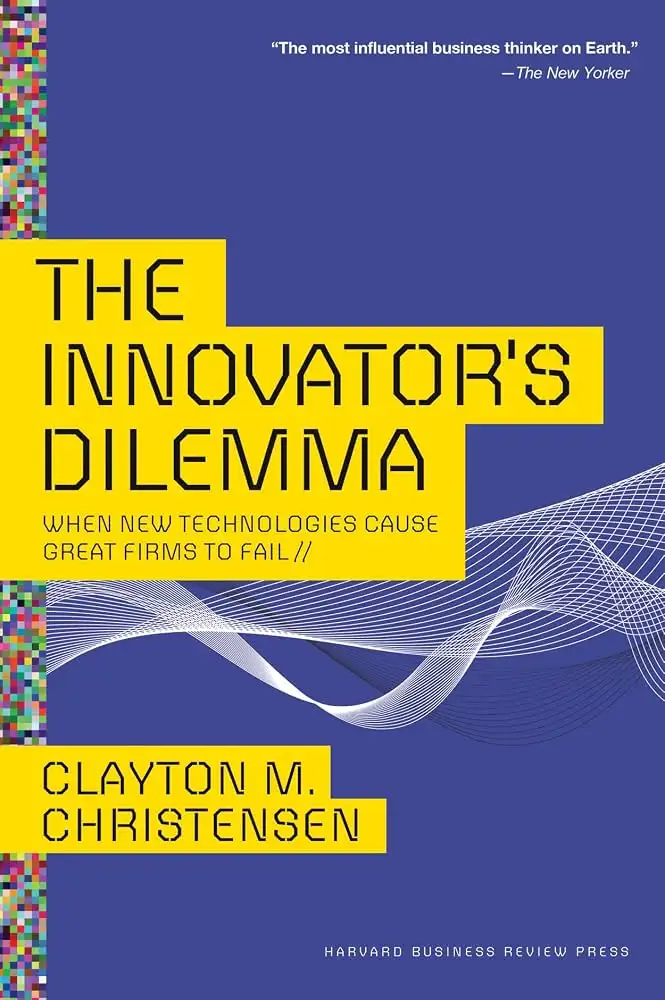
Read it if you want to understand disruption from the inside.
Where to start
Go straight to Play Bigger — it's the natural sequel. Then the newest entry for the full operating system.