

Most founders don't set out to become marketers. You start because you can build something, or because you spotted a problem worth solving. Then one day you realize the product won't sell itself, and marketing quietly becomes the difference between a company that grows and one that quietly disappears.
The good news is that almost every marketing lesson a founder needs has already been written down by people who learned it the hard way. The trick is knowing which books are worth your limited time. Below are seven that consistently earn their place on a founder's shelf, chosen to cover the full journey from building the right thing to growing it into something that lasts.
How we chose these books
How we chose these books: we looked for titles that are practical rather than academic, that have held up over time or bring a genuinely fresh perspective, and that together cover the four things a founder actually has to get right, validating the idea, positioning it clearly, acquiring customers, and understanding why people buy. Each earns its spot by teaching something the others don't.
1. The Lean Startup — Eric Ries
Before marketing even matters, you have to build something people want, and this is the book that teaches you how to find that out cheaply. Ries introduces the build-measure-learn loop: ship a minimal version, watch how real people respond, and adjust before you scale.
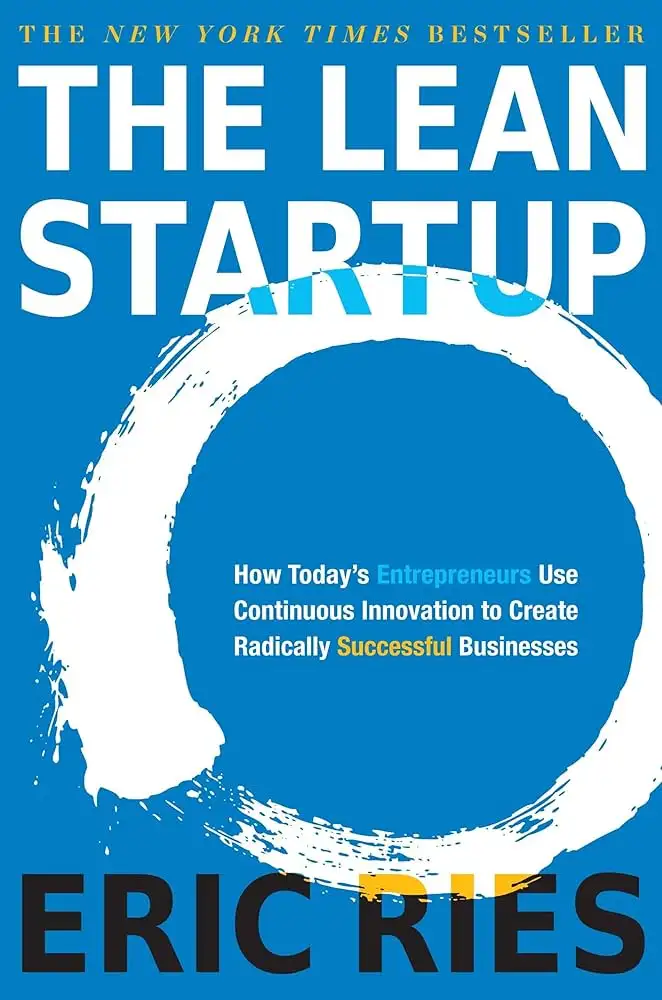
It is written for anyone creating something new under uncertainty, which is every founder. What you gain is a discipline that saves months of wasted effort and a healthy suspicion of your own assumptions.
Read it if you're still deciding what to build, or you suspect you're building on a hunch.
2. Zero to One — Peter Thiel
Thiel's central provocation is that truly valuable companies do something new, going from zero to one, rather than copying what already works. He argues the biggest returns come from building something so differentiated it effectively has no competition.
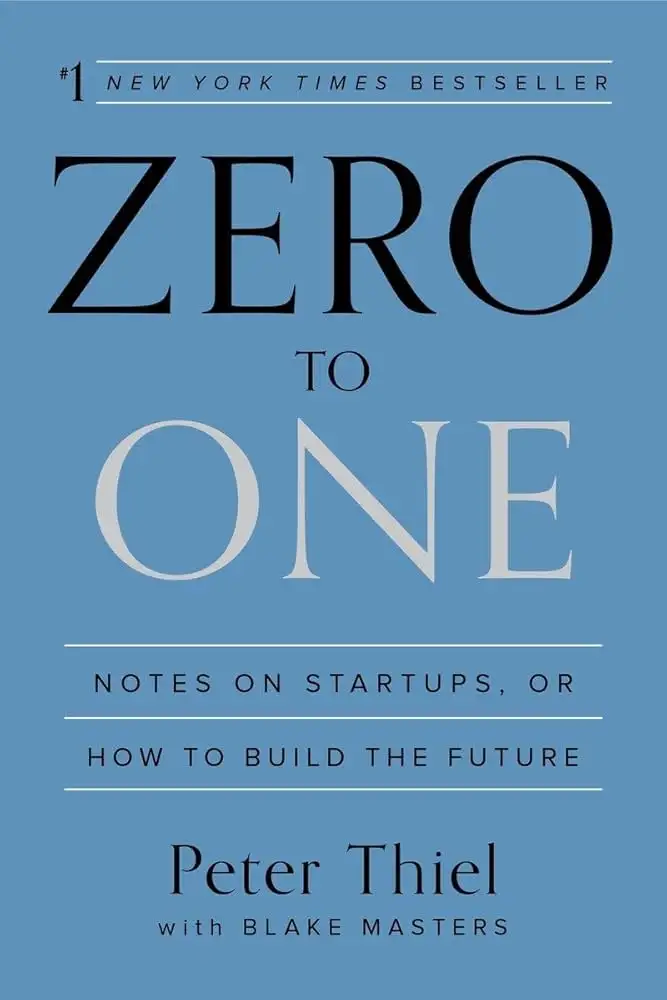
It is best for ambitious founders who want to think about defensibility and monopoly from day one. You come away asking sharper questions about whether your idea is genuinely new or just a slightly better version of what exists.
Read it if you want to zoom out and pressure-test how differentiated your company really is.
3. Obviously Awesome — April Dunford
Positioning is the most underrated lever a founder has, and Dunford wrote the most practical book on it. Her insight is that a product rarely fails because it's bad, it fails because it's placed in the wrong context, so customers don't understand why it matters.
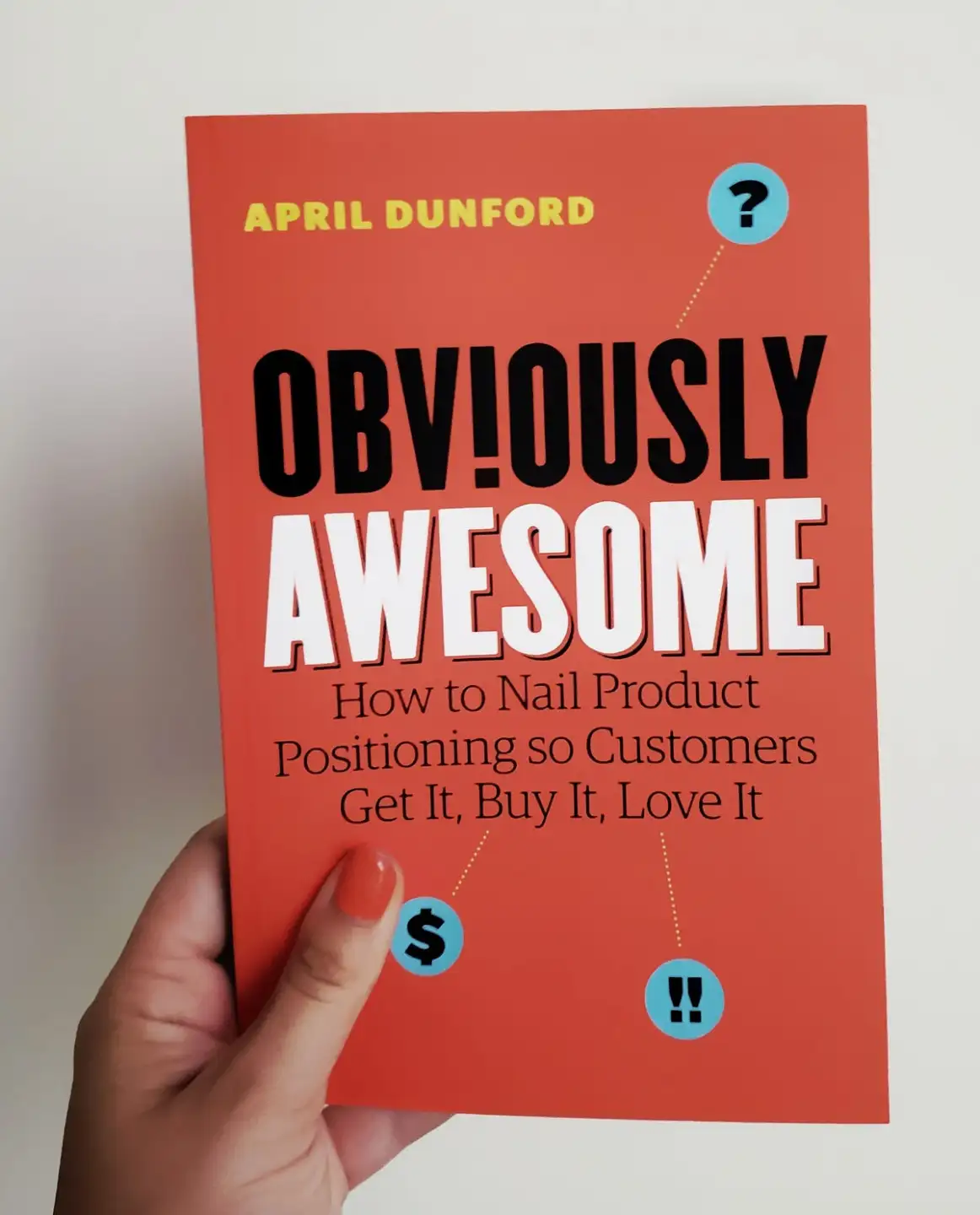
She gives a step-by-step process to reframe your product so its value becomes obvious. It's ideal for any founder whose demos go well but whose pitch falls flat.
Read it if people say 'interesting' but don't quite get what you do.
4. Traction — Gabriel Weinberg & Justin Mares
Most startups die not from a bad product but from an inability to reach customers, and this book confronts that directly. It lays out nineteen distinct channels, from content and ads to partnerships and community, and a simple framework for systematically testing which one works for you instead of guessing.
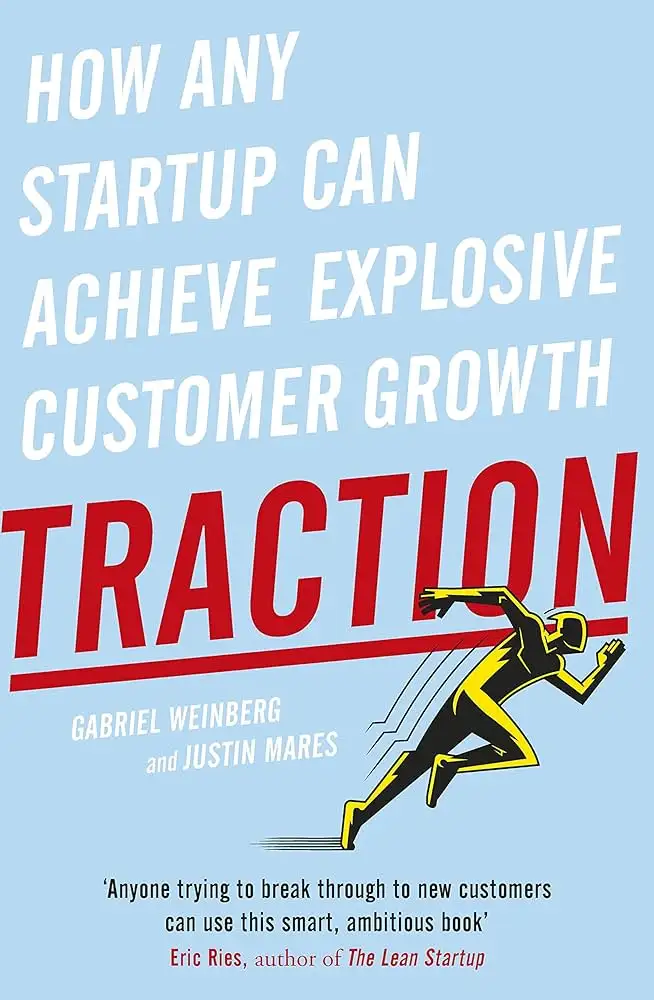
It's written for early teams staring at a blank marketing plan. The payoff is a repeatable way to find your growth channel rather than betting everything on one.
Read it if you have something people want but no reliable way to get in front of them.
5. The Marketing Behind Rapid Growth — Volodymyr Khomichenko
This newer release fits a founder's list because it turns strategy into stories. It breaks down how eighteen of the most successful tech companies, including Slack, Stripe, and Notion, actually grew, and pulls each apart into the specific marketing, product, and positioning decisions that mattered.
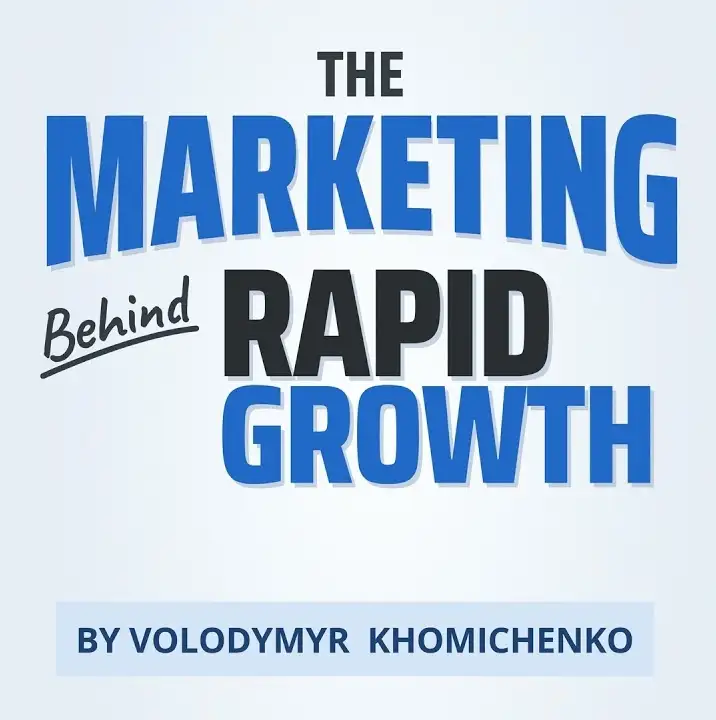
Every chapter ends with a clear takeaway, so it reads less like theory and more like a set of playbooks. It's best for founders who learn by example and want modern, recognizable cases rather than abstract frameworks.
Read it if you'd rather learn from what real companies did than from a textbook.
6. Influence — Robert Cialdini
Every founder is constantly persuading, of customers, investors, and future hires, and Cialdini explains the psychology underneath all of it. He distills decades of research into a handful of principles, such as reciprocity, social proof, and scarcity, that quietly shape human decisions.
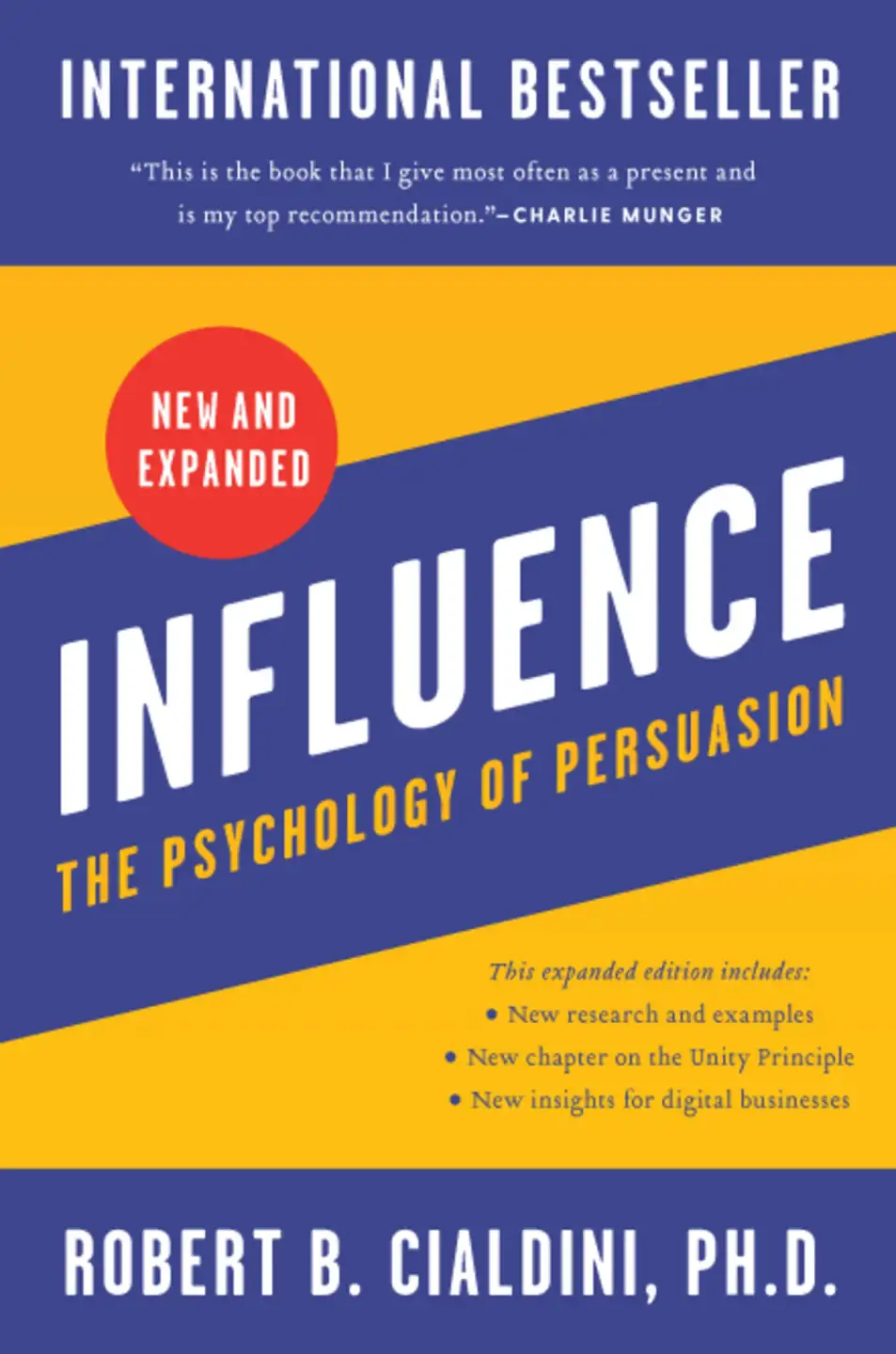
It suits anyone who wants to understand why people say yes without resorting to manipulation. You finish it seeing your own marketing, and your customers, far more clearly.
Read it if you want to understand the invisible forces behind every buying decision.
7. Play Bigger — Al Ramadan and co-authors
Where most books help you compete, this one asks why you'd compete at all. Its argument is that the biggest winners design a brand-new category and become its 'category king,' capturing the majority of the value.

It's aimed at founders with real ambition to define a market rather than fight for a slice of an existing one. Reading it stretches how big you're willing to think about what you're building.
Read it if you suspect your real opportunity is to create a category, not join one.
Where to start
If you're still finding product-market fit, start with The Lean Startup and Obviously Awesome. Once you have something people want and you're trying to grow it, move to Traction and The Marketing Behind Rapid Growth, then use Influence and Play Bigger to sharpen how you persuade and how big you aim. Read all seven and you'll have covered the founder's whole arc: build the right thing, explain it clearly, get it in front of people, and grow it into something durable.