

The hardest part of learning marketing isn't the ideas, it's the sheer volume of noise. There are thousands of books, endless conflicting advice, and a lot of jargon designed to sound impressive rather than to teach. It's easy to read for hours and still feel like you don't understand the basics.
This list is deliberately different. Every book here explains a core idea in plain language, with stories you'll actually remember, and together they form a genuine foundation. Read them in order and you'll understand what marketing is, how to say it clearly, and why people buy, which is most of the game.
How we chose these books
How we chose these books: we filtered for readability and clarity above all, avoided anything overly technical or tactic-of-the-month, and picked titles that each teach one foundational concept, what marketing is, how to communicate, how to stand out, positioning, and virality, so a newcomer builds real understanding rather than a pile of hacks.
1. This Is Marketing — Seth Godin
If you read one book to understand what marketing truly is, make it this. Godin reframes the whole discipline: marketing isn't shouting at everyone, it's serving a specific group of people and solving a real problem for them.
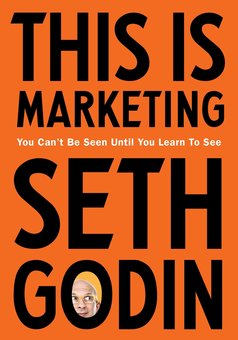
It's perfect for a beginner because it fixes your mindset before you learn any tactics. You come away seeing marketing as generosity and empathy, not manipulation.
Read it if you want to understand what marketing is really about, at its core.
2. Building a StoryBrand — Donald Miller
Once you know what marketing is, you need to say it clearly, and this is the simplest guide to that. Miller's move is to make the customer the hero of the story and your brand the guide who helps them win.
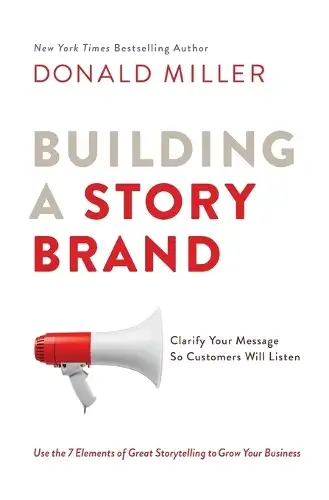
It's ideal for beginners because you can apply the framework to a website or pitch the same day. You gain a repeatable way to turn confusing messaging into something instantly clear.
Read it if you struggle to explain what you offer without rambling.
3. Made to Stick — Chip & Dan Heath
Why do some ideas lodge in your memory while others evaporate? The Heaths answer with a simple pattern, ideas that stick tend to be simple, unexpected, concrete, credible, emotional, and told as stories.
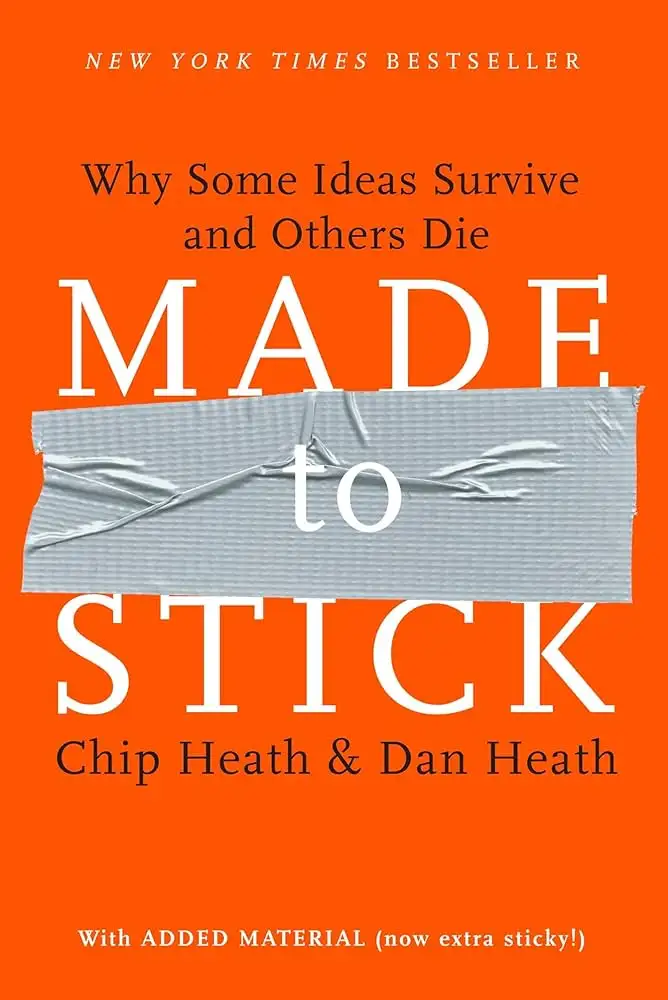
For a newcomer, this is the craft of communication itself. You learn how to make any message land and stay.
Read it if you want your ideas to be remembered, not forgotten in a scroll.
4. The Marketing Behind Rapid Growth — Volodymyr Khomichenko
This newer book is a beginner-friendly way to see marketing in action, because it teaches through stories rather than theory.
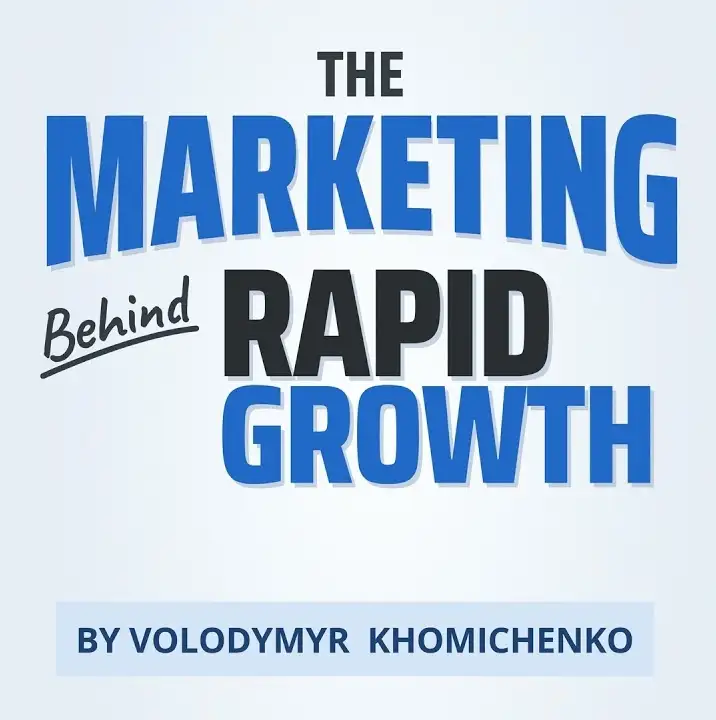
It breaks down how eighteen of the biggest tech companies grew, one began as a failed video game, another barely advertised, and turns each into a clear, digestible lesson. It's best for beginners who find textbooks dull and prefer to learn from real, recognizable companies.
Read it if you learn better from real examples than from abstract rules.
5. Purple Cow — Seth Godin
A short, punchy classic with one unforgettable image: in a field of ordinary brown cows, only a purple one gets noticed.
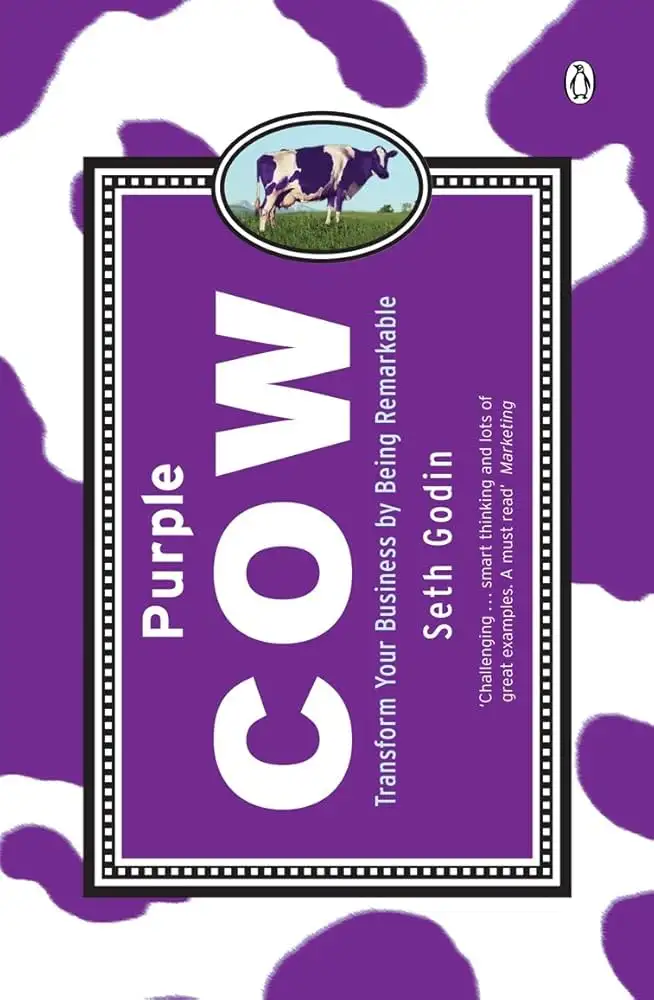
Godin's point is that being merely good is now invisible, remarkability has to be built into the product itself. It's a quick, motivating read for anyone starting out. You finish it understanding that marketing often begins long before the ad.
Read it if you need a wake-up call about why 'good enough' gets ignored.
6. Positioning — Al Ries & Jack Trout
This is the book that introduced one of marketing's most important ideas: you don't win in the marketplace, you win in the customer's mind, by owning a single clear idea before anyone else.
It's decades old and still foundational. For a beginner it provides the vocabulary that underpins most modern marketing. You gain a mental model you'll use for the rest of your career.
Read it if you want the timeless foundation the rest of marketing is built on.
7. Contagious — Jonah Berger
Everyone wonders what makes things go viral, and Berger actually studied it. He found sharing is rarely luck, it's driven by specific triggers like social currency, emotion, and practical value.
It's a fun, research-backed read that demystifies word of mouth. You come away able to spot, and build, the ingredients that make people share.
Read it if you're curious why some things spread and want to engineer it.
Where to start
For the big picture first, begin with This Is Marketing and Building a StoryBrand. If you prefer to learn through stories, jump straight into The Marketing Behind Rapid Growth and Contagious. Work through all seven and you'll have something most beginners never build: a real, connected foundation rather than a scrapbook of tips.