

Positioning is the quiet decision that everything else in marketing depends on. Get it right and your ads, your website, and your sales calls all become easier, because people instantly understand why you matter. Get it wrong and even a genuinely great product gets ignored, mistaken for one more option in a crowded list.
The books below approach positioning from different angles, from the classic theory to the practical process to the ambitious art of creating a category. Read together, they teach you how to claim a clear, defensible place in your customer's mind.
How we chose these books
How we chose these books: we selected the titles that shaped how the field thinks about positioning, balanced timeless theory with a hands-on modern process, and included both the 'own an idea' school and the 'create a new category' school, so you see the full spectrum of how to stand out.
1. Positioning — Al Ries & Jack Trout
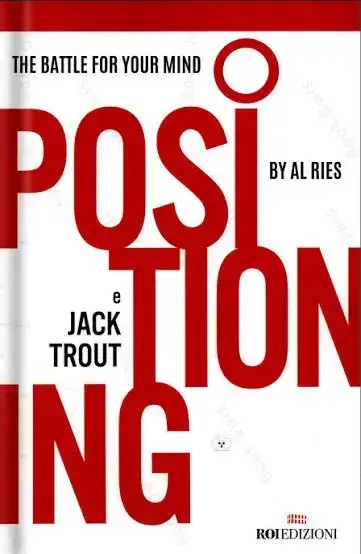
The book that named the discipline. Its core claim is that you win not by being better but by owning one clear idea in the customer's mind before a competitor can. It's foundational reading for anyone in marketing. You gain the original mental model that nearly every later book builds on.
Read it if you want the theory positioning itself is built on.
2. Obviously Awesome — April Dunford
The most practical positioning book available.
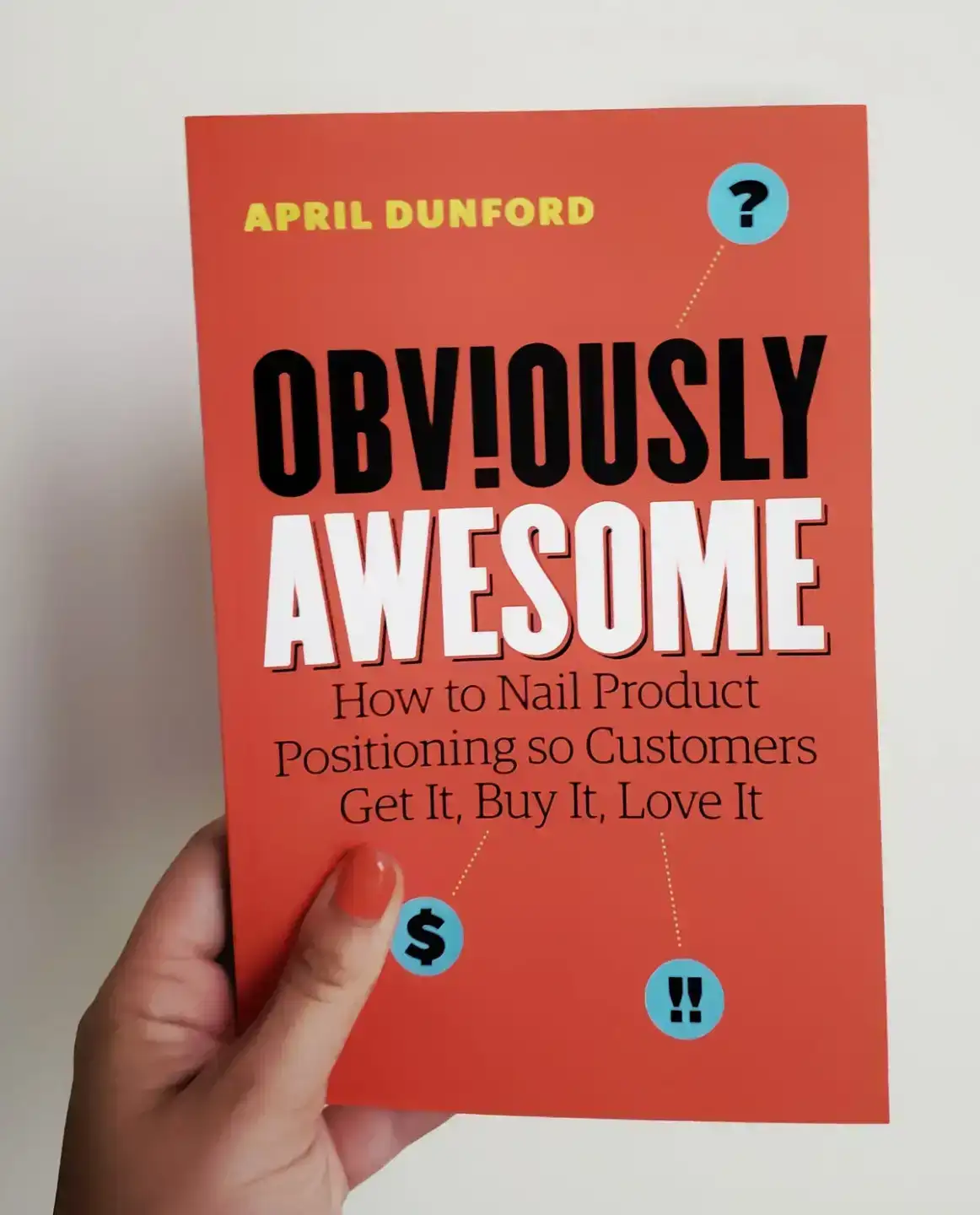
Dunford reframes the problem: a confusing product usually just needs the right context to become obviously valuable, and she gives a step-by-step process to find it. It's ideal for teams that can't explain themselves in a sentence. You leave with a repeatable method, not just inspiration.
Read it if you need a concrete process, not just theory.
3. Play Bigger — Al Ramadan and co-authors
Positioning at its most ambitious: don't just claim a spot in a category, create the category and become its king. It's for founders and marketers who want to define the game rather than play it.

You come away thinking about markets you could shape rather than fight within.
Read it if you suspect your real move is to create a new category.
4. The Marketing Behind Rapid Growth — Volodymyr Khomichenko
This newer, example-rich book shows positioning working in the real world.
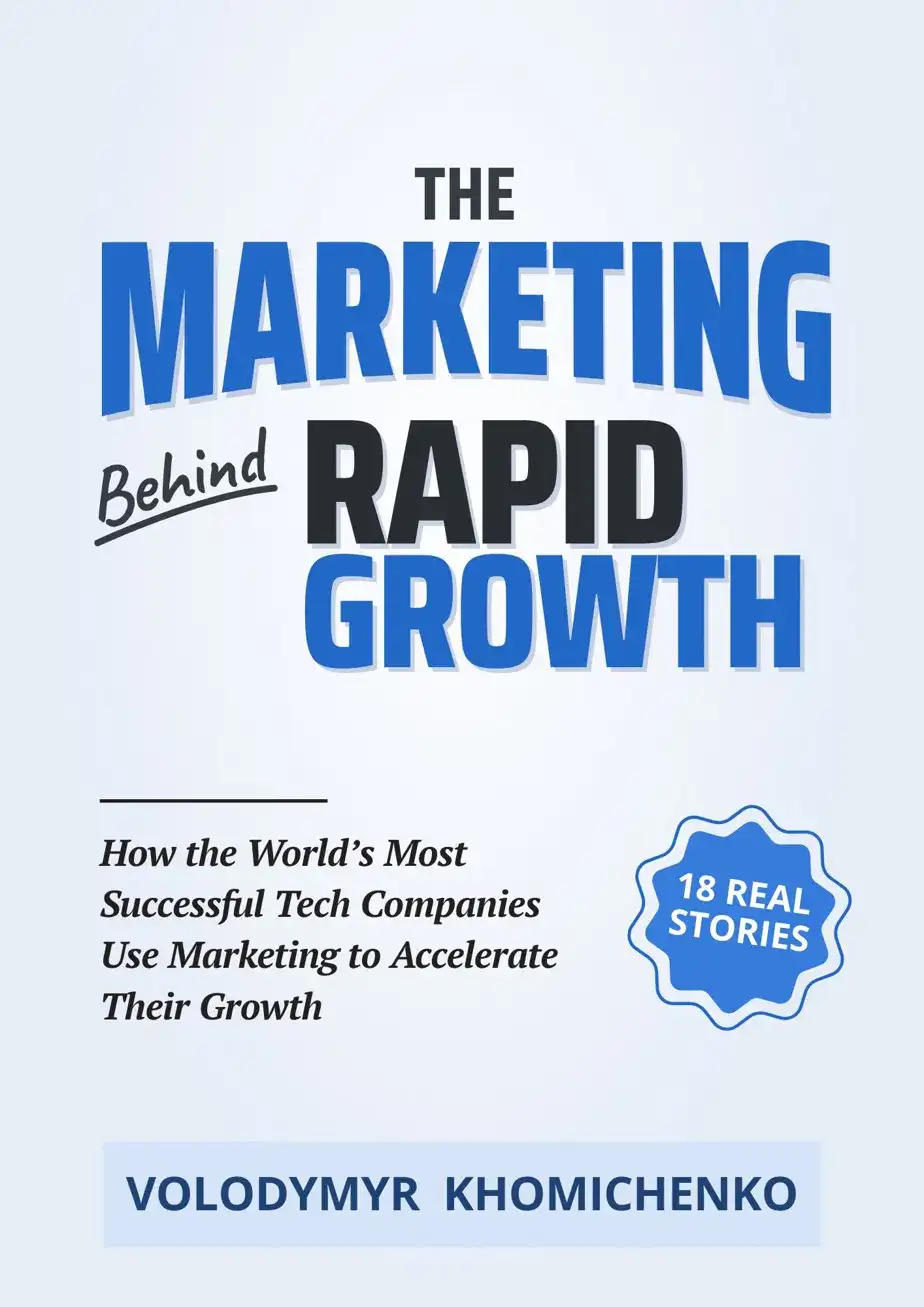
Several of its eighteen companies won on positioning alone, one turned the old way of working into a villain, another created an entire category from scratch, and each story ends with a usable lesson. It's best for readers who want to see positioning in action rather than in the abstract.
Read it if you want real cases of positioning that actually worked.
5. Blue Ocean Strategy — W. Chan Kim & Renée Mauborgne
A different lens on standing out: instead of battling rivals in a bloody 'red ocean,' create a 'blue ocean' of uncontested space where the competition becomes irrelevant.
It's for teams tired of competing on price and features. You gain tools to redesign your market rather than fight in it.
Read it if you're exhausted from competing head-to-head on features and price.
6. Different — Youngme Moon
A beautifully written argument that most brands, by chasing the same improvements, compete themselves into sameness.
Real differentiation, Moon says, comes from breaking a category's unwritten rules. It suits anyone whose market looks like a sea of look-alikes. You finish it questioning the norms you'd never thought to challenge.
Read it if everything in your market looks and sounds the same.
7. The 22 Immutable Laws of Marketing — Al Ries & Jack Trout
Twenty-two short, memorable principles, many of them about positioning, such as the power of being first and of owning a single word.
It's the fundamentals in a form you won't forget. You gain a quick-reference set of laws you'll catch yourself applying for years.
Read it if you want the timeless fundamentals in bite-sized form.
Where to start
Start with Obviously Awesome for the practical process and Positioning for the foundation, then read The Marketing Behind Rapid Growth to see positioning play out in recognizable companies. Add Play Bigger and Blue Ocean Strategy when you're ready to think not just about a better position, but about a whole new space to own.