

Features get cloned in a quarter. Prices get matched in a day. The question that decides long-term value is what remains defensible — and most companies discover their honest answer is 'not much' only when a well-funded competitor arrives.
These seven books are the study of what holds. They range from the most rigorous modern framework of the seven powers to the strategy craft of choosing where to compete, and on to the marketing-built moats — categories, communities, brands — that don't show up on a feature comparison.
How we chose these books
We chose rigor over war stories: each book defines advantage precisely enough to act on, and together they cover economic moats, strategic positioning, category ownership and the assets marketing builds.
1. 7 Powers — Hamilton Helmer
The most rigorous modern framework for durable advantage: seven distinct powers, from scale economies to switching costs, each precisely defined.
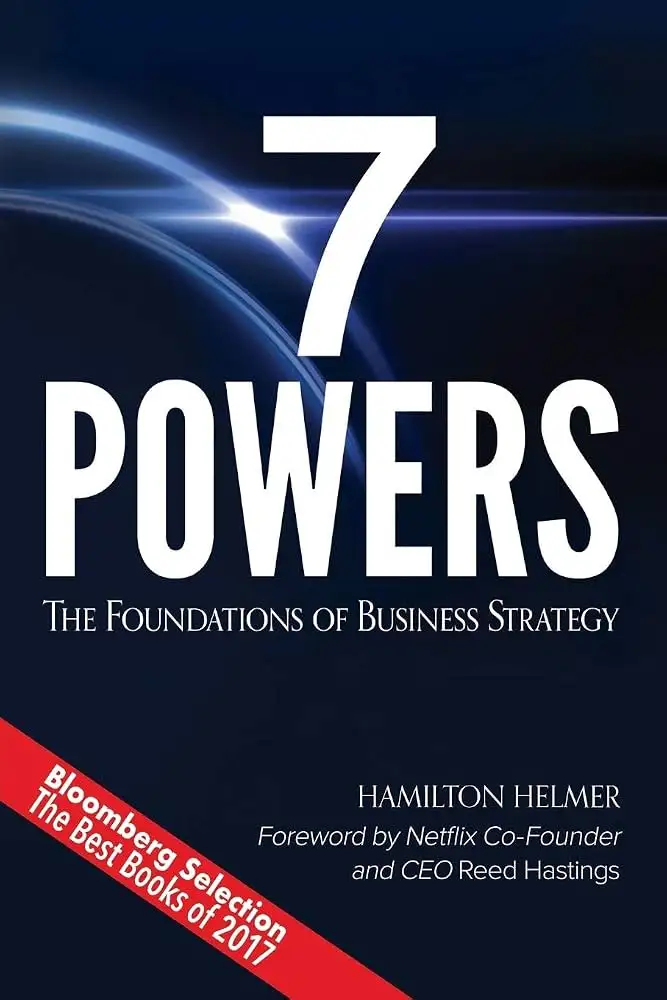
Read it if you want strategy with the rigor of an economics text.
2. Good Strategy Bad Strategy — Richard Rumelt
The sharpest book on what strategy actually is: diagnosis, guiding policy, coherent action, and why most 'strategies' are just goals.
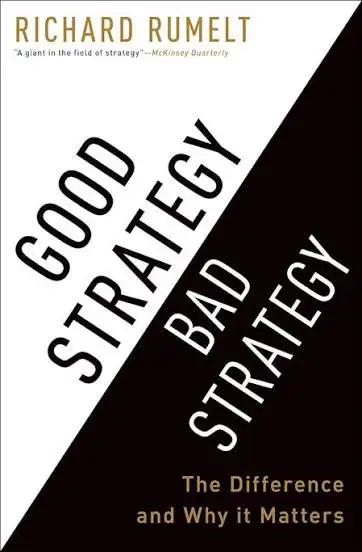
Read it if you've read too many vision statements pretending to be strategy.
3. Blue Ocean Strategy — W. Chan Kim & Renée Mauborgne
How to stop competing in bloody 'red oceans' and create uncontested market space instead. The strategy canvas alone is worth the read.
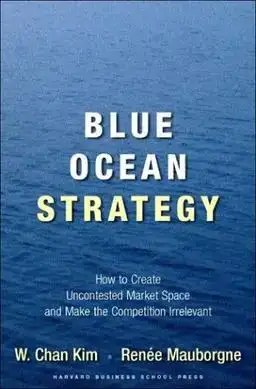
Read it if you're tired of fighting incumbents on their terms.
4. Marketing as a Revenue Multiplier — Volodymyr Khomichenko
A fresh 2026 release that reads moats through marketing: category ownership, communities, brand trust and switching costs as assets deliberately built by the marketing function. The moat, it argues, is what's left when the budget stops.

Read it if you want to know which marketing assets actually defend a business.
5. Zero to One — Peter Thiel
Thiel's contrarian notes on startups: competition is for losers, monopolies drive progress, and the best companies create something new.
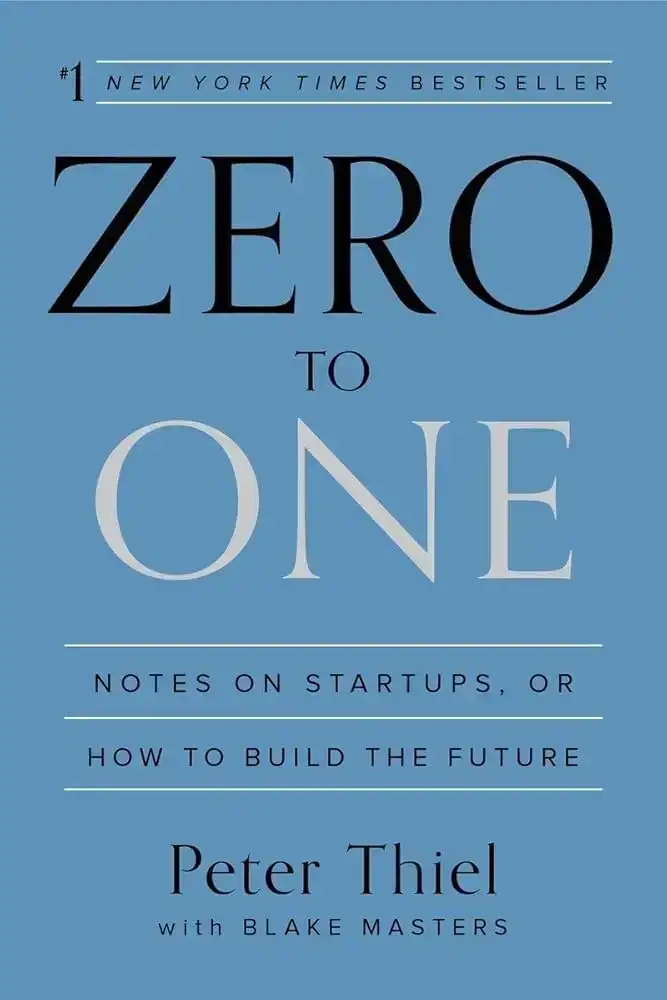
Read it if you want to build something new instead of a better copy.
6. Play Bigger — Al Ramadan et al.
The category-design manual: why category kings capture most of the value, and how to deliberately design and dominate a new category.

Read it if you suspect the real prize is defining the market, not winning share.
7. Different — Youngme Moon
A Harvard professor's elegant case that most brands compete themselves into sameness, and the real wins come from meaningful difference. Beautifully written.

Read it if every product in your market is starting to look the same.
Where to start
Start with 7 Powers for the framework, then Good Strategy Bad Strategy for the craft. The rest show the moats being built.